Navigating healthy eating can feel like wading through a sea of conflicting advice. To cut through the noise, I researched nutrition to create a reliable guide I could refer back to later. The result? This list of 10 nutrient-dense foods to eat every day. These foods are simple, budget-friendly, and packed with essential vitamins, minerals, and fiber to support overall wellness. Whether you’re new to healthy eating or looking to refine your habits, this post offers a practical starting point. I’ve included budget tips, a sample meal plan, and answers to common questions. As I’m not a qualified nutrition professional, I encourage consulting a registered dietitian or healthcare provider to tailor this advice to your unique needs. Let’s explore how these foods can elevate your daily diet.
The Value of Nutrient-Dense Foods
Nutrient-dense foods provide significant amounts of vitamins, minerals, and fiber with minimal added sugars or unhealthy fats. Consuming them regularly supports energy levels, immune function, and long-term health. These foods are accessible, versatile, and suitable for various lifestyles. Below are 10 foods to prioritize daily, along with practical ways to incorporate them.
Disclaimer: This post is for informational purposes only and does not constitute medical or nutritional advice. Always consult a healthcare professional or registered dietitian before making significant dietary changes, especially if you have medical conditions or dietary restrictions.
10 Foods to Eat Daily
1. Leafy Greens (4-5 servings)
Benefits: Spinach, kale, and arugula supply vitamins A, C, and K, plus fiber for digestive health. They offer a broad nutrient profile in few calories.
How to Include: Add to smoothies, sauté with garlic, or layer onto sandwiches.
Budget Tip: Choose frozen spinach or grow lettuce in a small pot to reduce costs.
2. Berries (2-3 servings)
Benefits: Blueberries and strawberries provide antioxidants that reduce inflammation and support cognitive function.
How to Include: Mix into yogurt, add to cereal, or eat as a snack.
Budget Tip: Purchase frozen berries in bulk for affordability and longer shelf life.
3. Whole Grains (3-4 servings)
Benefits: Oats, brown rice, and quinoa deliver complex carbohydrates and B vitamins for sustained energy and metabolic health.
How to Include: Prepare oatmeal for breakfast or use quinoa in grain bowls.
Budget Tip: Buy grains from bulk bins at grocery stores to save money.
4. Legumes (1-2 servings)
Benefits: Beans, lentils, and chickpeas are rich in protein and fiber, promoting satiety and gut health.
How to Include: Stir into soups, blend into hummus, or add to salads.
Budget Tip: Opt for dried beans, which are cost-effective when soaked and cooked in bulk.
5. Nuts and Seeds (1-2 oz)
Benefits: Almonds, chia seeds, and walnuts provide healthy fats and magnesium, supporting cardiovascular health.
How to Include: Sprinkle on oatmeal or blend into smoothies.
Budget Tip: Buy in bulk and store in the refrigerator to prevent spoilage.
6. Lean Proteins (2-3 servings)
Benefits: Eggs, chicken, and salmon supply essential amino acids for muscle maintenance and omega-3s (in salmon) for brain health.
How to Include: Scramble eggs for breakfast or grill salmon for dinner.
Budget Tip: Eggs were once the go-to budget protein, but with prices creeping up, they’re less of an egg-onomic choice—look for sales to keep costs low.
7. Dairy or Alternatives (2-3 servings)
Benefits: Greek yogurt and plant-based milks (like soy) offer calcium and probiotics for bone health and digestion.
How to Include: Use yogurt in smoothies or as a base for dressings.
Budget Tip: Select store-brand yogurt or make your own with a starter culture.
8. Healthy Fats (moderate amounts)
Benefits: Olive oil and avocados provide monounsaturated fats that support heart health and reduce inflammation.
How to Include: Drizzle olive oil on roasted vegetables or spread avocado on toast.
Budget Tip: Purchase olive oil in large tins and buy avocados when on sale.
9. Herbs and Spices (daily)
Benefits: Turmeric, ginger, and garlic enhance flavor and offer anti-inflammatory properties.
How to Include: Season roasted vegetables or brew ginger tea.
Budget Tip: Grow herbs like basil or cilantro on a windowsill for a low-cost flavor boost.
10. Water (8-10 cups)
Benefits: Water supports hydration, energy levels, and overall bodily functions.
How to Include: Sip from a reusable bottle or infuse with lemon for variety.
Budget Tip: Use a home filter pitcher instead of buying bottled water.
Sample Daily Meal Plan
To see how these foods fit together, here’s a sample day:
- Breakfast: Oatmeal with blueberries, chia seeds, and Greek yogurt.
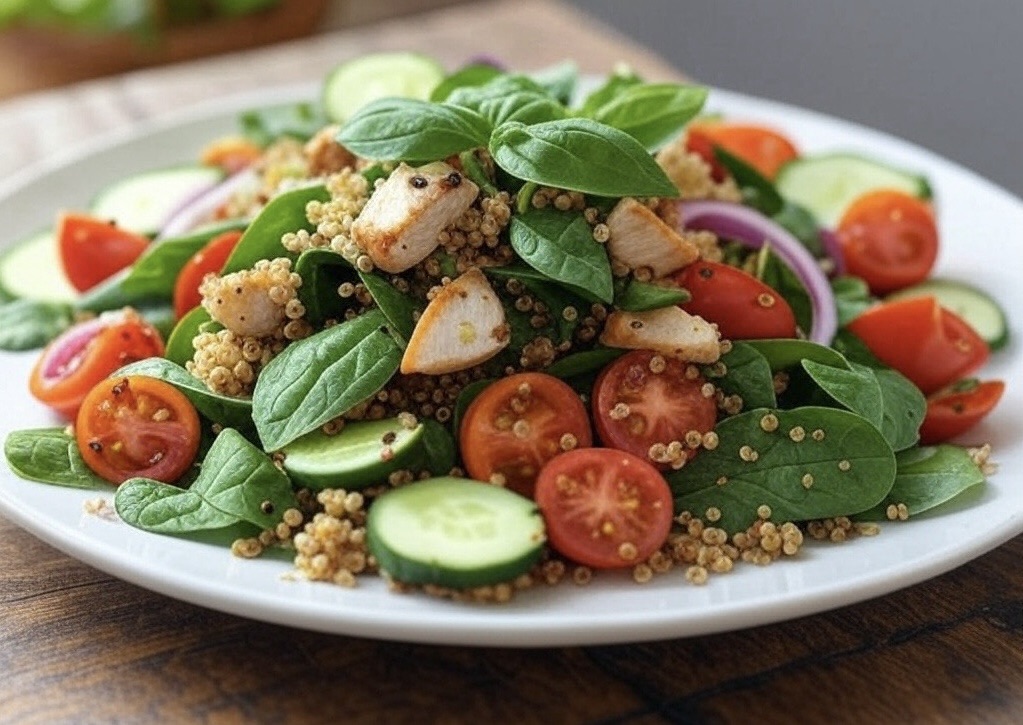
- Lunch: Grilled chicken or tofu salad with spinach, quinoa, avocado, and olive oil dressing.
- Snack: Apple slices with almond butter.
- Dinner: Grilled salmon, roasted broccoli, and brown rice.
- Drinks: Water throughout the day, with optional herbal tea and a small piece of dark chocolate as a treat.
Budget Tips for Affordable Healthy Eating
Eating nutrient-dense foods doesn’t have to strain your budget. Try these strategies:
- Shop Sales: Review weekly flyers for discounts on produce, especially seasonal items like apples or zucchini.
- Buy in Bulk: Purchase grains, beans, and nuts from bulk sections or warehouse stores.
- Freeze Extras: Store berries, vegetables, or cooked grains in the freezer to minimize waste.
- Plan Meals: Create a weekly menu to avoid unnecessary purchases and repurpose leftovers.
- Grow Your Own: Cultivate herbs or greens in a small pot for fresh, cost-free ingredients.
How to Incorporate These Foods
To make these foods a regular part of your diet:
- Start Gradually: Introduce one new food each week, such as adding spinach to smoothies.
- Prepare in Advance: Wash vegetables or cook grains on weekends for quick meals.
- Shop Strategically: Focus on the grocery store’s perimeter for fresh produce and proteins.
- Adjust to Your Needs: Modify portions based on activity level or hunger cues.
For personalized guidance, consult a registered dietitian to ensure your diet aligns with your health goals and medical needs.
Frequently Asked Questions
Can these foods work for vegetarian or vegan diets?
Yes, most foods on this list are plant-based. Replace animal proteins like chicken or salmon with tofu, tempeh, or additional legumes. Choose plant-based milks and yogurt for dairy alternatives.
How do I determine appropriate portion sizes?
The suggested servings (e.g., 4-5 servings of greens) are general guidelines for adults. Portions vary based on age, activity level, and health goals. A dietitian can provide tailored recommendations.
What if I dislike some of these foods?
Substitute with similar options. For example, swap kale for romaine or berries for apples. Focus on variety to maintain nutrient diversity.
How can I save time with healthy eating?
Prep ingredients ahead, such as washing greens or cooking grains. Keep frozen vegetables and berries for quick meals. Simple dishes like smoothies or grain bowls are time-savers.
Disclosure: This post contains no sponsored content or affiliate links. Recommendations are based on general nutrition research and not influenced by external parties. I am not a qualified nutrition professional, and this content reflects my personal compilation of evidence-based information for educational purposes.
Conclusion
Incorporating these 10 nutrient-dense foods—leafy greens, berries, whole grains, and more—into your daily routine can enhance energy, support wellness, and simplify healthy eating. Start with small changes, like drinking more water or adding nuts to snacks, and build from there. Inspired by my own need for a dependable nutrition reference, this guide aims to empower you with practical, budget-friendly strategies. For the best results, work with a registered dietitian to customize your diet. Have a favorite food from this list? Share it in the comments and spread the word to friends ready to eat healthier!
 BIRDCITYVIEW